How Import Duty and GST Are Calculated in Australia
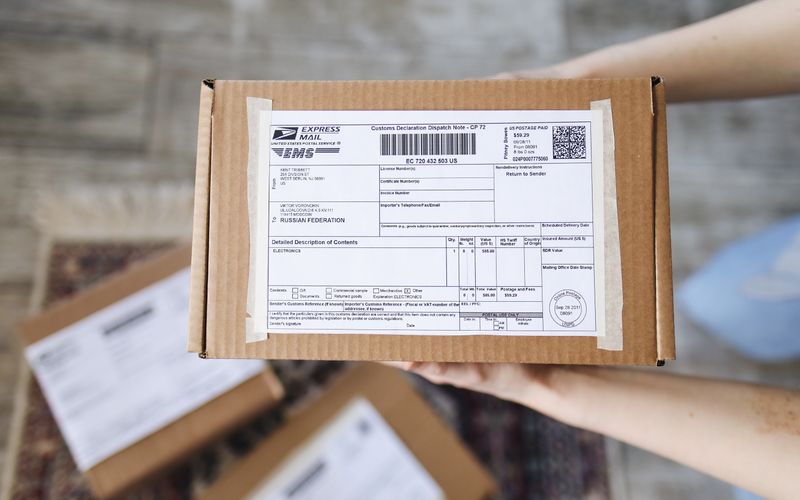
When your goods arrive in Australia, you may need to pay customs duty and GST before they’re released. Understanding how these are worked out helps you price your products properly and avoid surprises.
Goods worth AUD 1,000 or less
For most goods with a value of AUD 1,000 or less, no duty or GST is collected at the border, and a full import declaration isn’t needed. Tobacco and alcohol are exceptions. GST on low-value goods bought online is usually charged by the overseas seller at checkout instead.
Above AUD 1,000, a full import declaration must be lodged, usually by a licensed customs broker, and duty and GST are calculated as below.
Step 1: The customs value
The customs value is usually the price you paid for the goods, converted to Australian dollars using the exchange rate on the day they were exported. In most cases this is the FOB value, which excludes international freight and insurance.
Step 2: Customs duty
Duty is a percentage of the customs value. The rate depends on the tariff classification of your goods. Many goods are duty-free, and the most common general rate is 5%.
If your goods come from a country with a free trade agreement, such as China, India, Malaysia, Singapore, Thailand or the USA, the duty rate may be reduced to zero, as long as you have the correct origin documents. See our country guides for the details.
Step 3: GST
GST is 10%, but it isn’t charged on the customs value alone. It’s charged on the value of the taxable importation, which adds together:
- the customs value
- customs duty
- the cost of international transport and insurance to Australia
- any wine equalisation tax, if applicable
A worked example
| Item | Amount |
|---|---|
| Customs value (FOB) | $20,000 |
| Duty at 5% | $1,000 |
| International freight and insurance | $2,000 |
| Value of the taxable importation | $23,000 |
| GST at 10% | $2,300 |
| Total duty and GST | $3,300 |
If the same goods qualified for a free trade agreement, duty would be $0, and GST would be 10% of $22,000, or $2,200.
Other charges to budget for
- Import processing charge: a government fee on each import declaration
- Biosecurity fees: for document assessment, inspection or treatment if required
- Customs broker and forwarder fees: for preparing and lodging your entry
- Port and terminal charges: for handling the container or cargo in Australia
Let us work it out for you
Duty depends on the exact classification of your goods, so it’s worth checking before you order. Our customs clearance team works with licensed customs brokers to classify your goods correctly and confirm what’s payable. Ask us for an estimate.
Need help with your next shipment?
Talk to the Fastrak team about sea freight, air freight, customs clearance or delivery anywhere in Australia.
Get a Free Quote
